KEY COMMANDER II
Hear the note. Lock on. Fire.
- DEF
- MODEEAR TRAINING
- TARGETSNOTES · MELODIES
- TGT
- CONTROLSMIDI / ON-SCREEN
- MISSIONS40
For music schools
Note reading, ear training, ABRSM Grade 5 theory and music learning games such as Bunny Hop, Melody Bricks and Key Commander, for every student at your music school. Each teacher sets practice and sees progress, and students log in at home with an email address or an access code (no email needed). Free pilot from spring term 2027 until September 2027.
One lesson a week is a short time to learn an instrument, and an even shorter time to learn to read and hear music.
A 30-minute lesson disappears into note names, rhythms and keys. Teachers re-teach reading instead of teaching the instrument.
Students who don't practise don't progress, and students who don't progress stop lessons. Families notice before you do.
Each teacher tracks theory and aural their own way, or not at all. When a student changes teacher, what they know goes with them.
One licence covers your whole music school: every tool, every teacher, every student.
Trainers for every Grade 5 topic and full mocks marked automatically, so students reach Grades 6–8 practical without a separate theory class.
Treble and bass clef practice from first notes to ledger lines. In Bunny Hop students read notes by playing them, on a MIDI keyboard or their own instrument.
Trainers for intervals, chords and melodies that build the listening skills graded exams test, plus Melody Bricks for young players with no theory needed.
Step-by-step lessons on scales, keys, intervals and rhythm for the early grades, and a simple grid where students write and play back their own short pieces.
Melody Bricks, Bunny Hop and Key Commander train the ear and note reading, so practice feels like play.
Each teacher sets practice for a student or a group and sees progress by topic: who has practised, what they got wrong, who's ready.
Every student gets their own account and can log in at your school or at home, with an email address or with a printed access code (no email needed).
The arcade
Real games that train the ear and note reading. Melody Bricks needs no theory, so even young beginners can play. Bunny Hop moves only when students play the right note, on a MIDI keyboard connected by cable or on their own instrument through a microphone. Teachers set them as practice and see who has played.
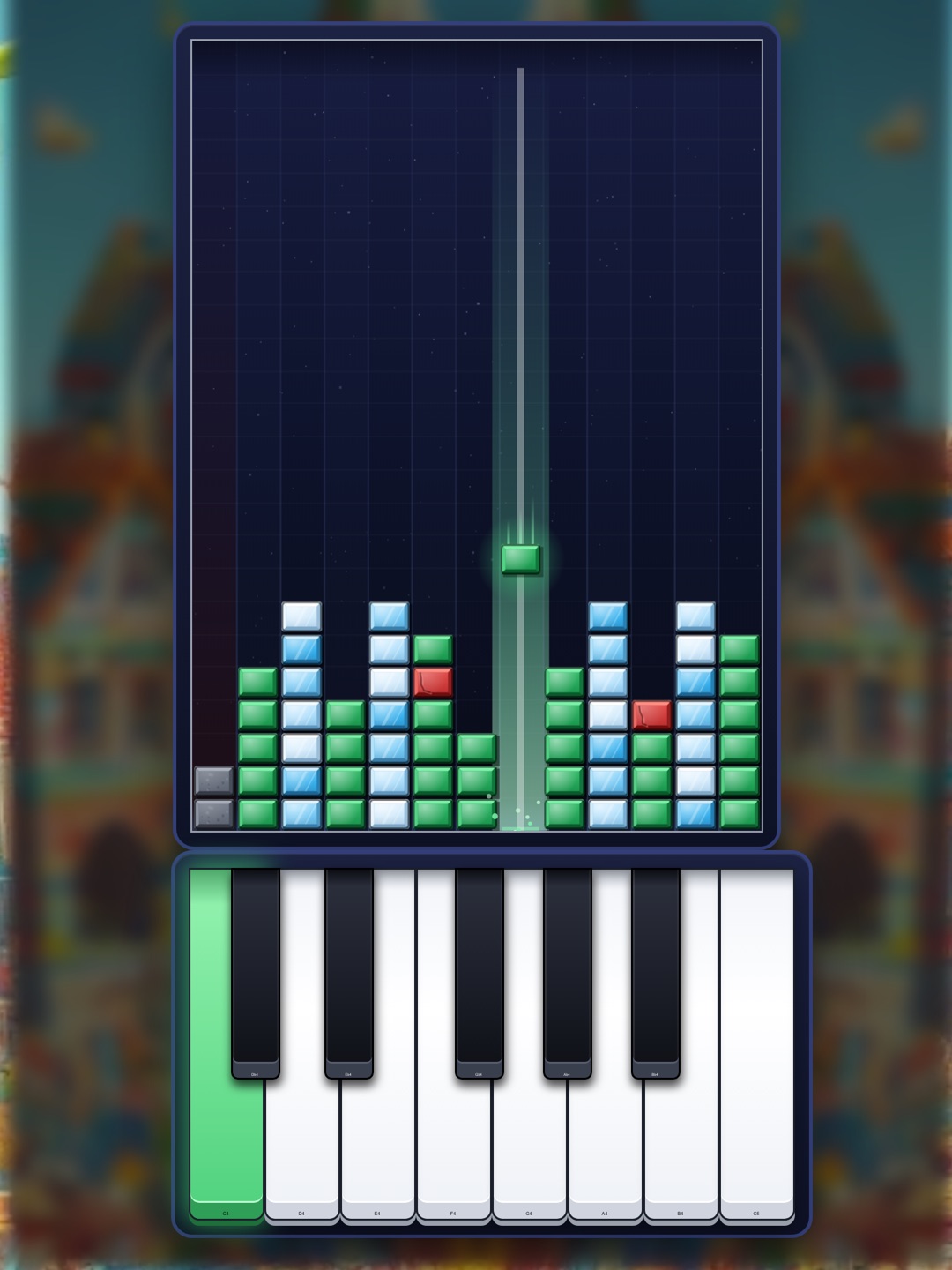
Become addicted to a game that improves your musical ear.
Hop from note to note and learn to read music — fast.
Hear the note. Lock on. Fire.
Try them yourself: Visit the arcade
Nothing about your teaching changes. Students just arrive better prepared.
Students arrive able to read the notes and hear the intervals, so lesson time goes on playing.
Every student gets the games and trainers at home as part of their lessons with you: a visible reason to choose your school and to stay.
Students who need Grade 5 theory train and sit mocks on their own, and book the exam when they're ready.
Every teacher uses the same tools and sees the same progress by topic, so nothing is lost when a student moves on.
Free from spring term 2027 until September 2027, in exchange for your feedback and a short case study.
Tell us about your music school below. We'll reply to agree which teachers and students to start with.
We set up your school account with you. Teachers add their students by name and hand out login codes. No email addresses needed.
Start in spring term 2027. Students practise between lessons, free until September 2027. Tell us what works and what doesn't, and we'll write up a short case study together.
Spring term 2027 to September
Free pilot
Full access for your music school until September 2027. In return: regular feedback and, if it works for you, a short case study. There's no card and no automatic renewal.
Founding school offer: pilot schools pay just £95 for their first year from September 2027, whatever their size.
Request a pilotFrom September 2027
from £199/year
Built so your school's data protection lead can say yes. Your school stays in control of student data, and we only process it to provide the service.
Privacy notice & DPA for schoolsNo. Your teachers keep teaching the instrument in lessons. Students use the games and trainers for note reading, ear training and theory between lessons, and teachers set them as practice and see who has done it.
Yes. Theory, ear training and note reading are the same for every instrument. Bunny Hop works best with a MIDI keyboard connected to the computer by cable; students can also play any instrument, such as violin, flute, guitar or voice, through the computer's microphone or an external one.
ABRSM Grade 5 theory (or another accepted option) is needed before Grades 6–8 practical, and it's an online exam candidates book when they're ready. Students train each topic and sit marked mocks at their own pace, so your teachers can see who is ready to book without running a separate theory class.
No. Every student gets their own account and can log in at your school or at home, either with an email address or with a printed access code (no email needed). Codes suit young children who don't have an email address.
Nothing. The pilot starts in spring term 2027 and is free until September 2027. In return we ask for feedback along the way and, if it works for you, a short case study. There's no automatic charge at the end.
From September 2027 music schools can take an annual licence priced by how many students use it: from £199 a year for up to 60 students. Pilot schools become founding schools and pay £95 for their first year, whatever their size. If it isn't right for you, you simply stop. Nothing renews by itself.
Yes. The licence is invoiced once a year to your music school, so you can include it in your fees or treat it as a running cost.
Probably not. The teacher plans at /for-teachers are made for individual teachers and include student seats. This licence is for music schools with several teachers.
We collect as little as possible: a display name chosen by the teacher, login codes and practice results. Read the data protection page for details, including our draft data processing agreement.
Pilot places starting in spring term 2027 are limited so we can support each school properly. Tell us about your music school and we'll reply by email.
Teaching privately on your own? See the teacher plans.
Buying for a school music department? See the school site licence.