KEY COMMANDER II
Hear the note. Lock on. Fire.
- DEF
- MODEEAR TRAINING
- TARGETSNOTES · MELODIES
- TGT
- CONTROLSMIDI / ON-SCREEN
- MISSIONS40

For music services & hubs
Trainers your pupils use at school and at home: ABRSM Grade 5 theory, topic by topic with marked mocks (GCSE theory coming soon), plus sight-reading and ear training. Your instrumental teachers set the practice and see the progress, and lesson time goes on the instrument. We're looking for a music service to shape a service-wide offer with us, starting with free access for any of your teachers who'd like it, from spring term 2027 until September 2027.
The musicianship that sits around instrumental lessons, as trainers that mark every answer and show pupils what to do next.
The Grade 5 Skill Builder takes pupils through every skill the ABRSM Grade 5 theory paper needs, in the right order, each with a short lesson and a 10-question test. It starts from foundations like note values, clefs and scales, so pupils start where they are. Marked, timed mocks modelled on the online exam show their grade, and they book the exam when they're ready. GCSE theory is coming soon.
Sight Reading Studio gives pupils a new piece every time, set for Grades 1–8 in line with ABRSM parameters. They study the score, then play it stepwise or in time. Singers can use Sight Singing Studio, which uses movable do and the microphone.
Audiation Studio runs short daily ear-training sessions and tracks how pupils do. ECKO Trainer plays a note and pupils find it on the screen keyboard or a MIDI keyboard. The ear-training games below build the same skills as play.
Theory, sight-reading and ear training practised between lessons, so your peripatetic teachers spend lesson time on the instrument. Pupils working towards Grades 6–8 can train Grade 5 theory alongside.
Ear-training games that need no theory, and note reading as a game, so pupils start reading the notes they play. It works in class on the board and at home.
Each teacher sets practice for a group or a pupil and sees who has done it and where they're stuck. Pupils sign in with login codes, with no email address needed.
The arcade
Alongside the trainers, three arcade games. Melody Bricks trains the ear with no theory needed, so even young beginners from whole-class teaching can play. Key Commander II has pupils find each note they hear. Bunny Hop builds note reading: the bunny moves only when pupils play the right note, on a MIDI keyboard connected by cable, or any instrument through a computer or external microphone.
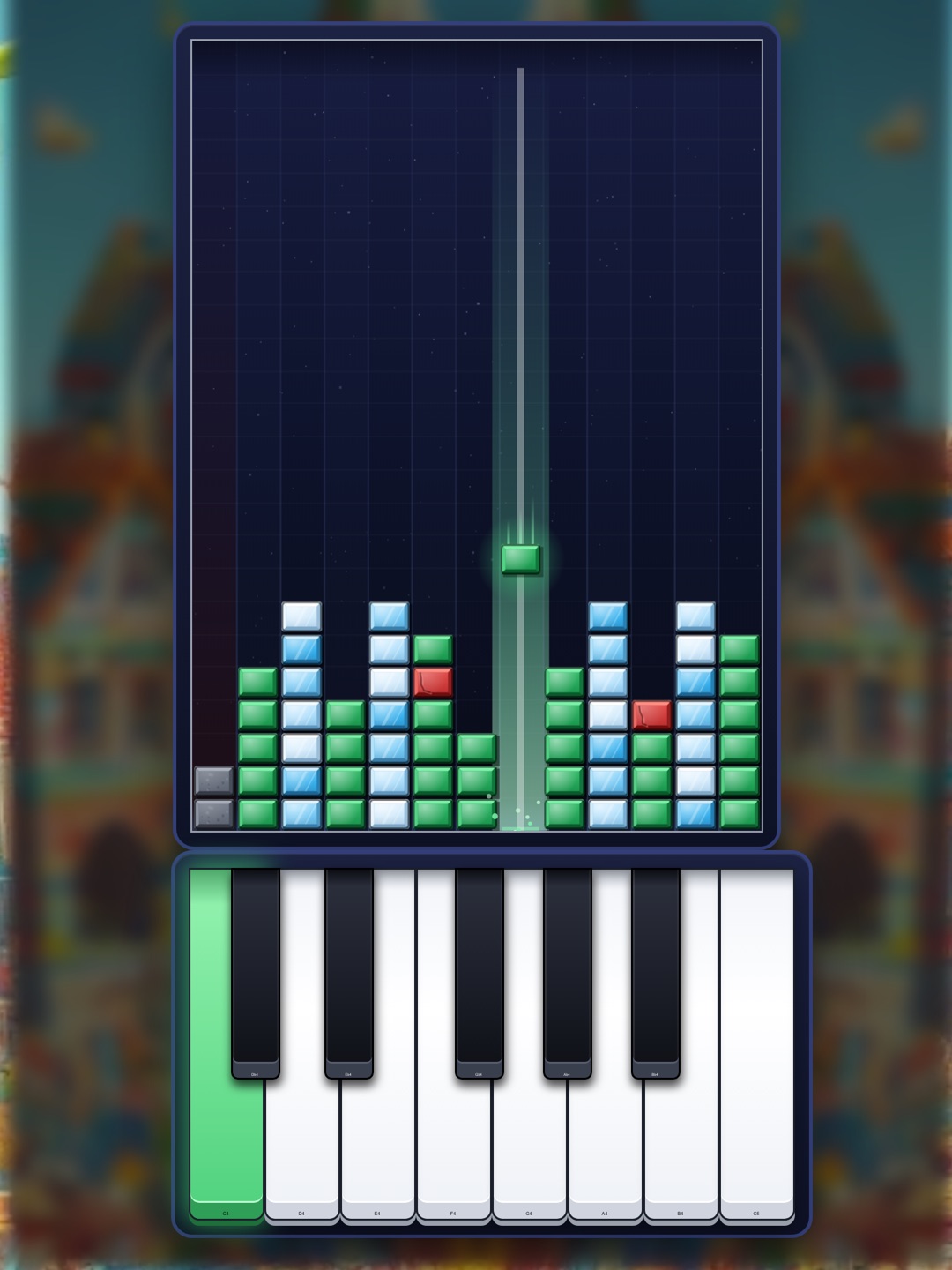
Become addicted to a game that improves your musical ear.
Hear the note. Lock on. Fire.
Hop from note to note and learn to read music — fast.
Try them yourself: Visit the arcade
Tell us about your service and we'll reply by email.
Buying for one school? See the school site licence. Running a private music school? See the music school licence.